
Pet insurance that covers annual exams
Find the routine-exam benefit, then check its allowance, frequency and the rest of the visit.
Find the routine-exam benefit, then check its allowance, frequency and the rest of the visit.

Three examinations, three coverage questions
| Examination | Likely benefit to investigate | Key distinction |
|---|---|---|
| Routine annual wellness examination | A listed preventive or wellness benefit | Being routine is the reason to look beyond base medical cover |
| Examination because the pet is sick or injured | Medical policy and any examination-fee add-on | The underlying condition must also be eligible |
| Examination required to enroll or satisfy policy rules | The insurer’s specific requirement and payment terms | A requirement to obtain an exam is not a promise to pay for it |
Tell the insurer which examination you mean. “Vet visits covered” can describe only visits for eligible medical problems. A healthy-pet checkup should appear clearly in the routine-care schedule, not be inferred from broad marketing language.
An example of an explicit annual-exam benefit
It also says that options vary by state and covered items have annual limits. Its separate explanation of the vet-visit-fee add-on says that add-on does not cover the annual wellness exam.
This illustrates what to look for: the service is named in a specific package, with a benefit limit. It does not establish the exact allowance or package available for your pet. During a quote, obtain the actual schedule and compare it with the clinic’s exam fee. Do not copy a dollar allowance from an older sample or another state.
Read the checkup invoice one line at a time
| Invoice item | Question before expecting reimbursement |
|---|---|
| Physical wellness exam | Is this the listed exam, and how much can the benefit pay? |
| Blood or urine testing | Does the selected package list this test with its own allowance? |
| Vaccines or parasite screening | Are these separate categories with frequency or payment caps? |
| Tests prompted by a new symptom | Will they be assessed as diagnostics under medical coverage instead? |
| Medication or follow-up care | Which benefit, if any, applies to the purpose and clinical findings? |
One appointment is not necessarily one reimbursable item. A package may help with the examination but not every service performed that day. Ask the clinic for an itemized estimate and the insurer for benefit-specific answers. The veterinarian should recommend care according to the pet’s needs, rather than the remaining allowance.
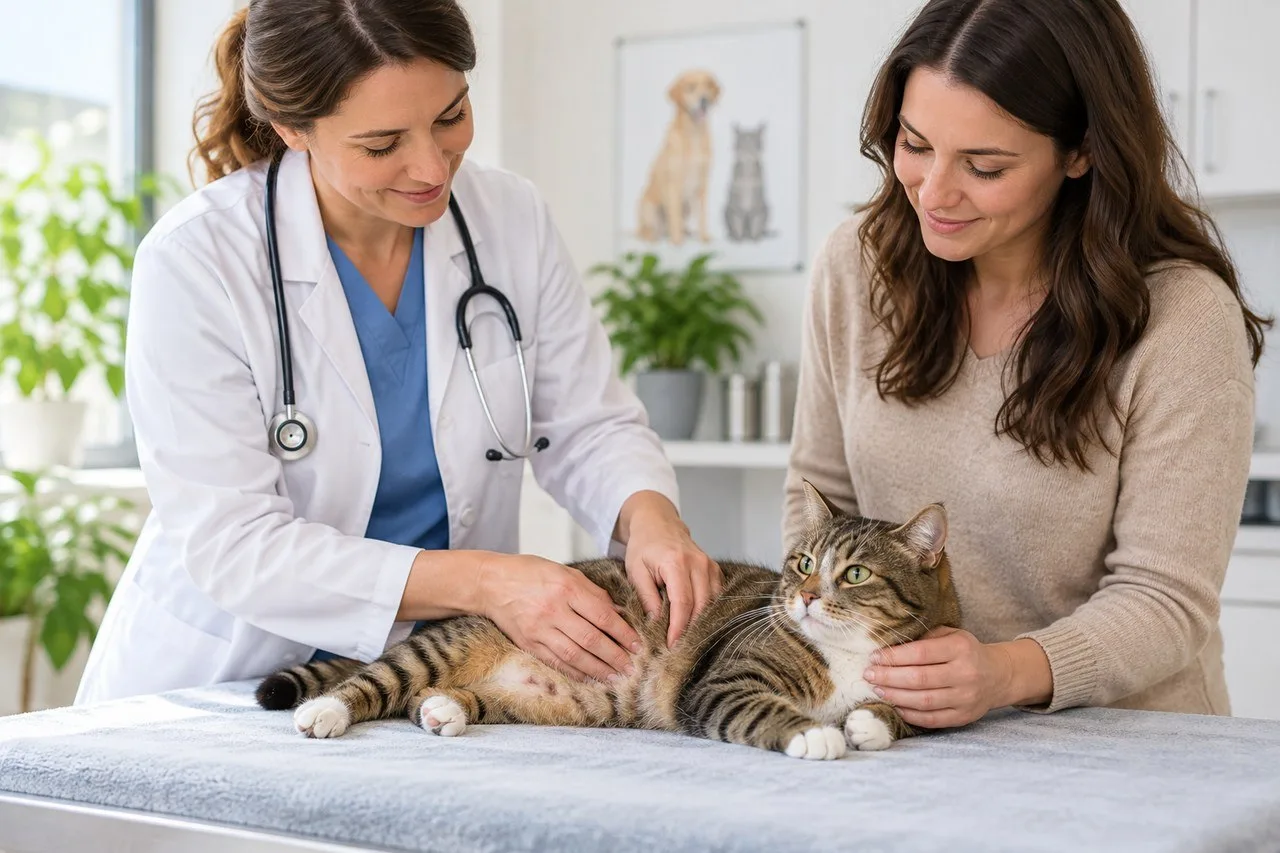
Annual benefits do not set the care schedule
A plan paying for one exam in a policy year does not mean one exam is clinically enough. AAHA recommends more frequent assessment for senior pets. Your veterinarian may recommend another preventive visit, a recheck or tests based on the individual animal. Check how many exams the benefit permits and whether another visit has a different medical purpose.
Ask when the allowance resets. “Per year” may mean the policy term rather than the calendar year. If your routine visit moves to a different month, check whether two appointments land in the same benefit period. Never postpone necessary care just to fit a reimbursement schedule.
Decide whether the exam benefit is worth buying
Compare the entire annual cost of the optional package with the reimbursements you realistically expect from its listed services. If you want only the exam benefit, an expensive bundle can cost more than paying that exam directly. If you also expect eligible vaccines and tests, add only those you are likely to use, capped at each applicable allowance.
Check any existing clinic membership before purchasing overlapping benefits. Some memberships already include the routine examination. Ask about duplicate-payment rules and cancellation terms rather than assuming you can collect two reimbursements for one expense. Convenience can have value, but it should be a conscious choice rather than a mistaken savings calculation.
Before the appointment, get four answers
- What is the exact exam benefit name and package on my policy?
- What is its payment cap, permitted frequency and reset date?
- When is the benefit effective, and does a deductible apply?
- Which invoice and submission documents are required?
Then check the issued documents, not just the quote screen. A current illness found at a checkup is a separate eligibility question: having routine-exam benefits does not erase a pre-existing-condition exclusion or automatically cover subsequent treatment. If the claim pays less than expected, compare the itemized invoice with the service schedule and request a written explanation.
Sources and policy context
Consumer and veterinary sources provide context. Named product differences were checked against official insurer materials. The policy issued for your pet and state determines benefits; the comparison is not a coverage determination.
Compare Current Pet Insurance Rates
Check current options for your pet and location, then compare the policy details, exclusions, costs, and eligibility before choosing.